
Programs & Projects
Initiatives for ecological preservation.
At ECI, we develop and implement a variety of initiatives aimed at ecological preservation.
Our projects encompass a range of activities, from habitat restoration to community training programs, all designed to empower local populations and ensure the sustainable use of natural resources.
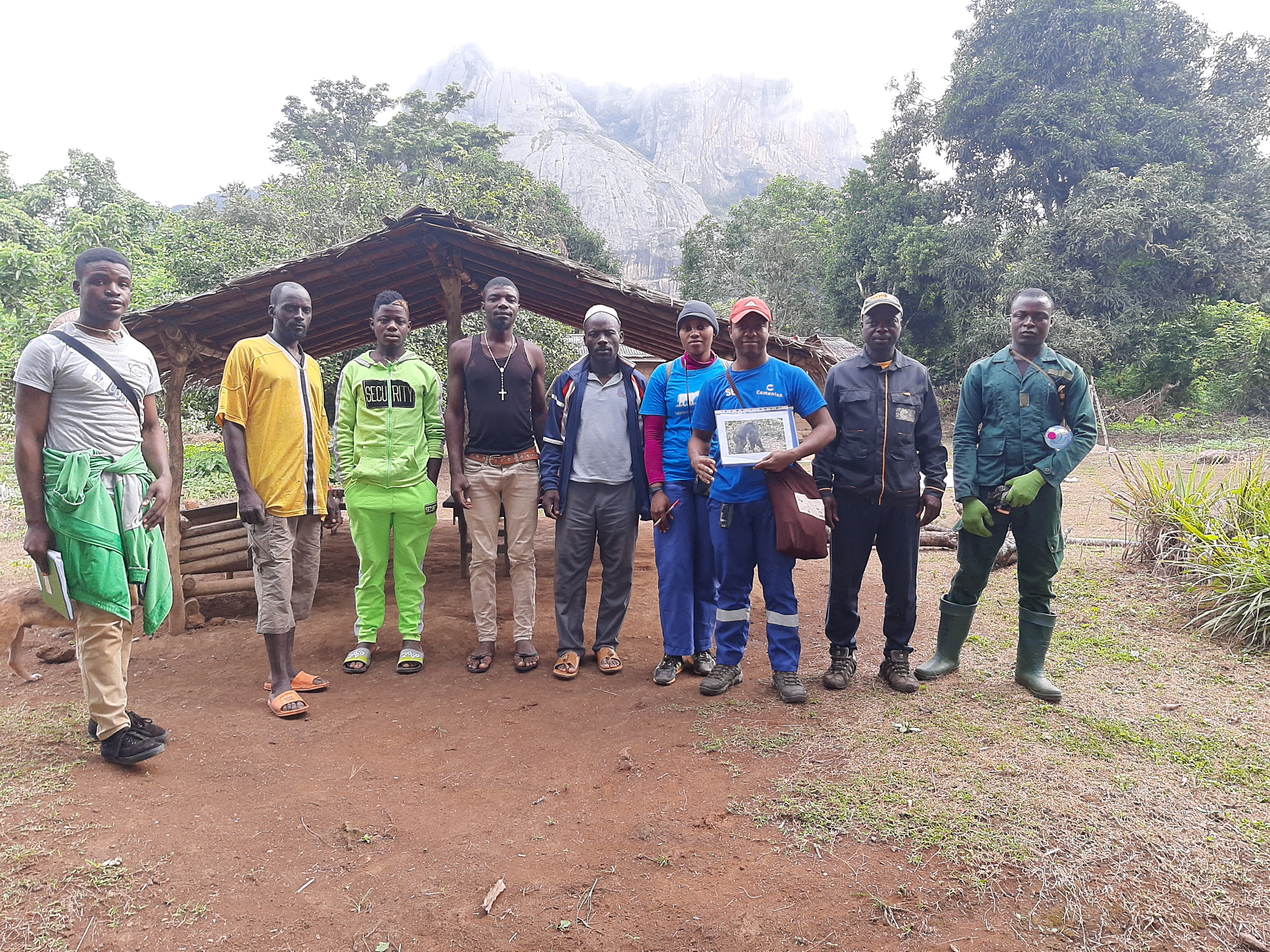
Community Conservation
We believe that local communities are vital in the fight for conservation. Our community conservation programs enable residents to manage their natural resources sustainably, ensuring both their livelihoods and the health of the ecosystems they depend on.
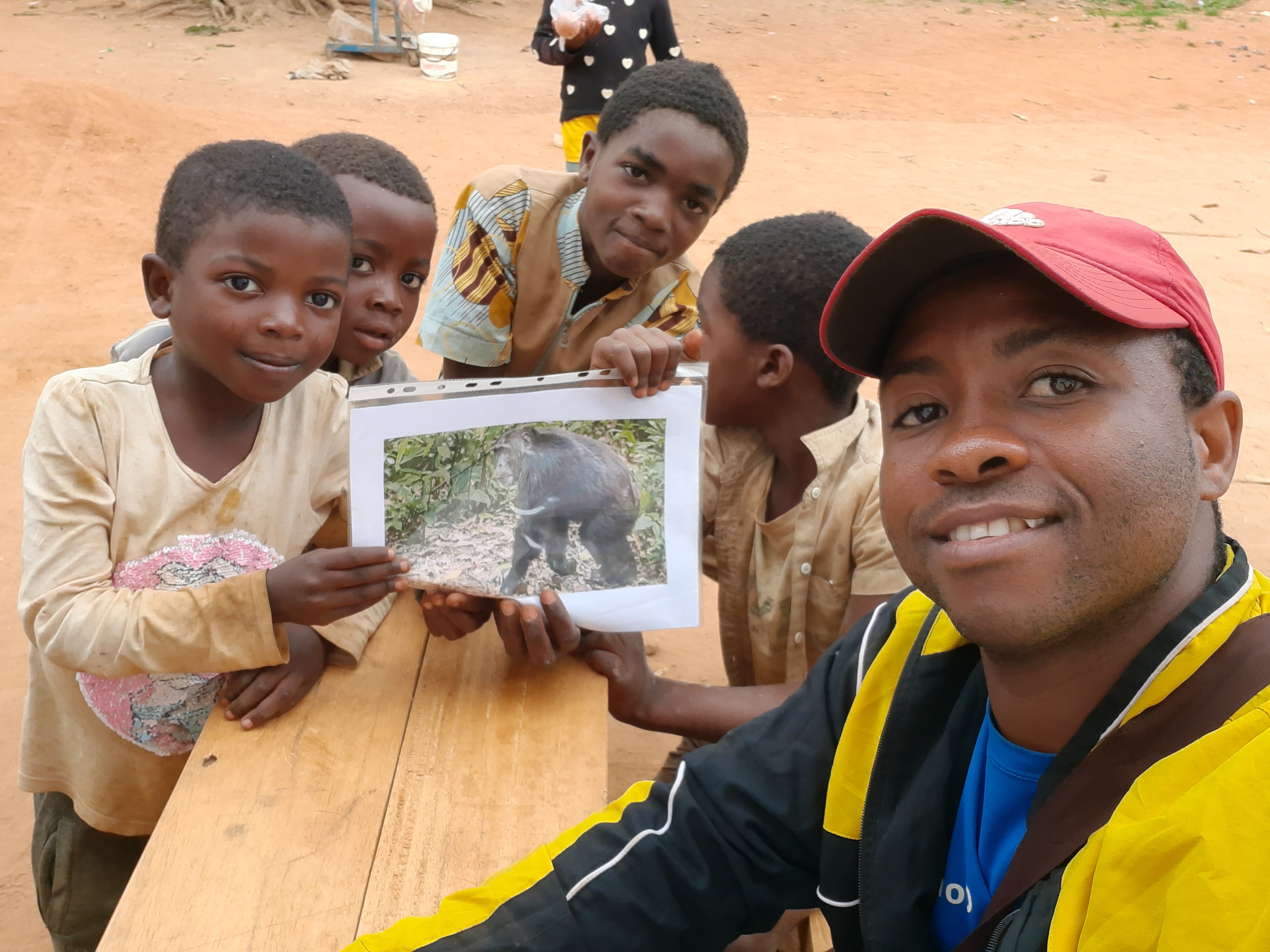
Early Education
Education is key to fostering a conservation mindset in future generations. Our early education programs introduce young people to the values of biodiversity and environmental stewardship, equipping them with knowledge to be proactive in conservation efforts.

Reforestation program
Forests are critical for biodiversity and climate regulation. We are committed to reforestation projects that restore degraded areas, enhancing habitats and promoting carbon sequestration.

Stop Wildlife Crime
Wildlife crime poses a significant threat to endangered species. ECI is actively engaged in efforts to combat poaching and illegal trade, working with law enforcement and local organizations to safeguard vulnerable species and their habitats.
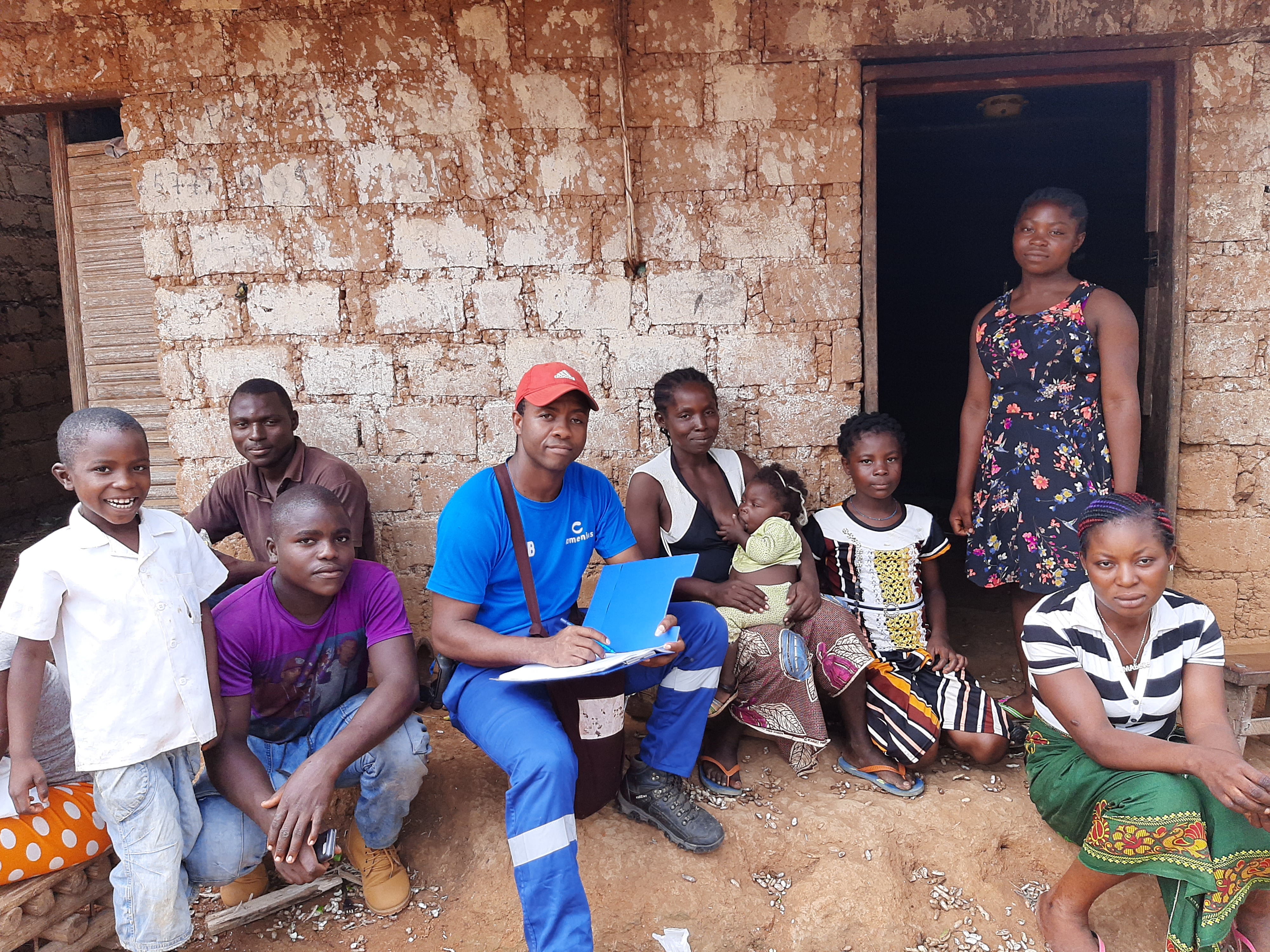
Understanding People for Better Conservation
Effective conservation starts with understanding people. Our work includes socioeconomic surveys that explore the opinions, attitudes, and perceptions of local communities toward wildlife and conservation efforts. By listening to local voices, we identify challenges, values, and opportunities that shape how conservation is received on the ground. This approach helps us design strategies that are not only ecologically sound but also socially inclusive, ensuring long-term success for species like the Nigeria-Cameroon chimpanzee and the communities that share their habitat.
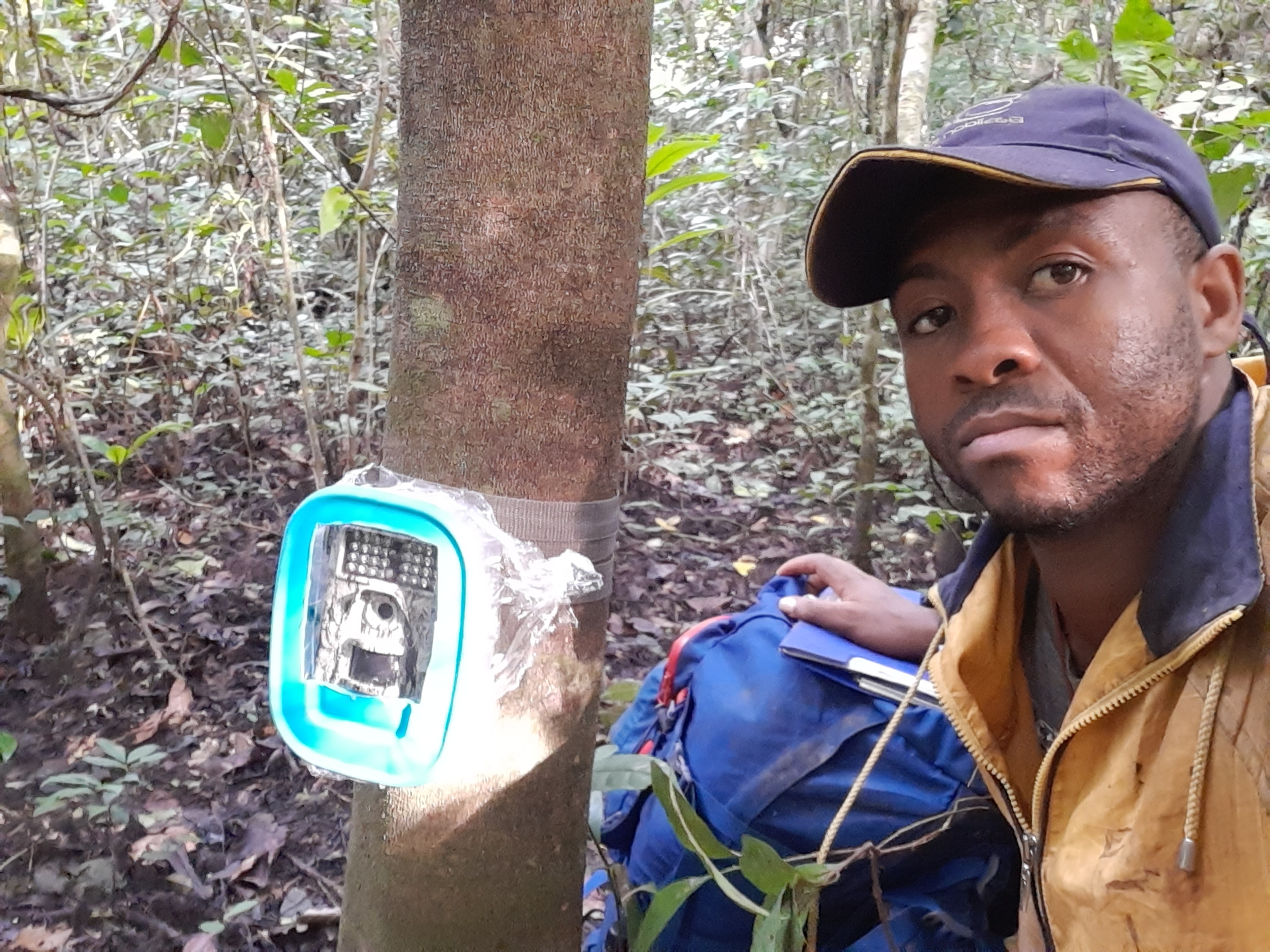
Monitoring Wildlife with Camera Traps
Protecting wildlife requires reliable data. We use camera traps motion activated cameras placed in natural habitats to monitor species presence, behavior, and activity patterns without disturbing them. This method allows us to gather crucial information on elusive and endangered species, track population trends, and identify potential threats. The insights gained support evidence-based conservation decisions and help us measure the effectiveness of our actions in protecting biodiversity.